
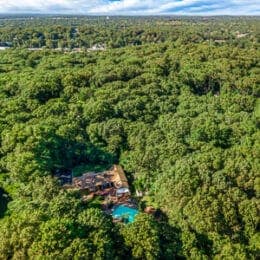
Drone photography has revolutionized the way we capture images, offering stunning aerial perspectives that were once only possible with helicopters or planes. As a beginner venturing into drone photography in Long Island, understanding the fundamental techniques can help you produce breathtaking photos right from the start. This guide covers the best drone photography techniques for beginners, so you can make the most of your drone and capture amazing aerial shots.
Plan Your Shots
Planning is key to successful drone photography. Scout your locations and visualize the shots you want to capture before you fly.
- Scout locations — use tools like Google Earth or Maps to find interesting locations and plan your flight path.
- Check local regulations and obtain necessary permissions to fly your drone in certain areas.
- Consider the time of day — early morning and late afternoon offer the best natural lighting, known as the golden hour.
- Avoid harsh midday sunlight, which can create overexposed images.
Mastering Basic Flight Techniques
Smooth and stable flying is essential for clear and sharp images. As a beginner in drone photography in Long Island, mastering basic flight techniques will help you capture the best shots.
- Hovering — practice keeping your drone steady at a specific altitude and position, and use hover mode to capture stable, sharp images.
- Slow and smooth movements — move your drone slowly to avoid motion blur, and use the gimbal to adjust the camera angle without moving the drone too much.
- Automated flight modes — most drones offer orbit, follow and waypoint navigation; experiment with these to capture dynamic shots with minimal manual control.
Composition and Framing
Composition is a vital element in photography, and it's no different in drone photography. Use these tips to enhance your aerial shots.
- Rule of thirds — divide your frame into a grid of nine equal parts and place key elements along these lines or at their intersections for balanced, visually appealing photos.
- Leading lines — use natural or man-made lines like roads, rivers or buildings to lead the viewer's eye through the photo and add depth.
- Symmetry and patterns — look for symmetrical scenes or repetitive patterns from above, and use the drone's height to capture unique perspectives.
Post-Processing Your Images
Editing your photos is an essential step in drone photography. Post-processing can enhance your images and correct any imperfections.
- Basic adjustments — use software like Adobe Lightroom or Photoshop to adjust exposure, contrast and color balance, then crop and straighten to improve composition.
- Advanced editing — experiment with filters and effects for a creative touch, and use noise reduction on grainy areas, especially in low-light shots.
Embarking on your journey into drone photography on Long Island can be exciting and rewarding. By understanding your drone, planning your shots, mastering basic flight techniques, and focusing on composition and post-processing, you can capture stunning aerial photos that showcase the beauty of Long Island from above. Practice is key — keep experimenting and refining your skills to become a proficient drone photographer.